

How to Write a Legal Notice and Shipping Policy for Shopify
When opening a Shopify store in Japan, one of the easiest things to delay is the legal and policy setup. It is also one of the easiest places to create avoidable trouble later.
This article organizes the key points merchants usually need to think through when creating a legal notice based on the Act on Specified Commercial Transactions and a practical shipping policy.
This article is a practical overview based on operational experience, not legal advice. For formal requirements, always confirm the latest rules from official sources or a qualified professional.
Why These Pages Matter
The legal notice is not optional
If you are selling online in Japan, disclosure requirements apply. Even solo merchants are expected to present the required information clearly.
The shipping policy prevents repeat questions
Customers want to know:
- how much shipping costs
- how long shipping takes
- whether tracking is included
- what happens with returns or exchanges
If that information is unclear, it will come back to you as manual support work.
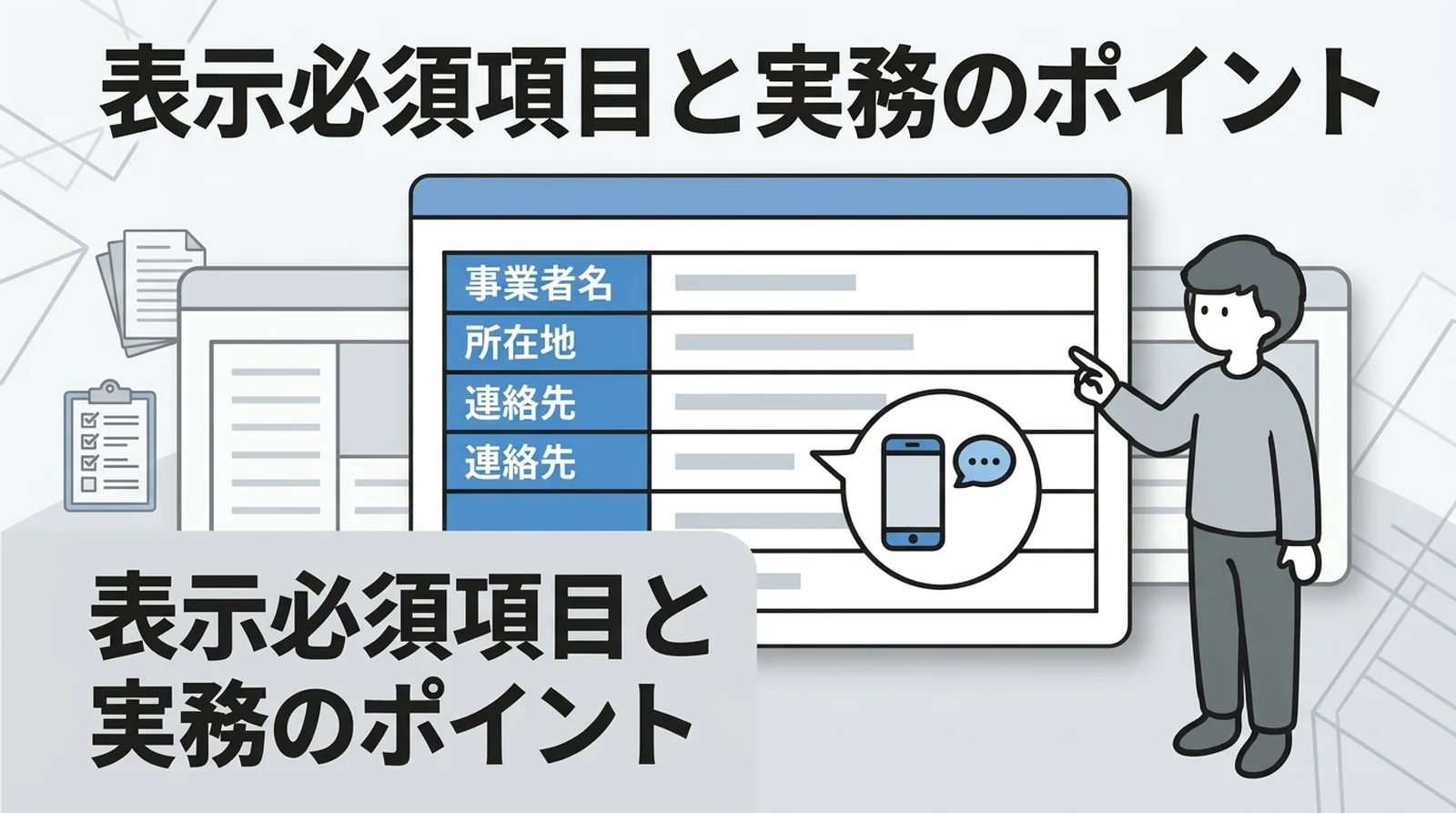
What to Include in the Legal Notice
Typical items include:
| Item | Example content |
|---|---|
| Seller name | Business or personal name |
| Address | Registered business address |
| Contact method | Email and, where applicable, phone disclosure |
| Product price | Shown on product pages |
| Shipping fee | Stated clearly or linked clearly |
| Payment methods | Card, convenience store payment, and so on |
| Payment timing | At checkout or other timing |
| Delivery timing | Ships within X business days |
| Return conditions | When returns or exchanges are accepted |
Phone-number disclosure is one area many solo merchants worry about. Depending on the applicable approach, some merchants choose to state that the phone number will be provided without delay upon request while keeping email as the primary contact path. What matters in practice is that the contact method genuinely works.
Address Privacy Concerns for Solo Merchants
Using a home address as a business address can feel uncomfortable. Common responses include:
- Using a virtual office
- Using a rental office or coworking address if permitted
- Using a home address and ensuring the rest of the operation is clear and consistent
There is no one-size-fits-all answer. The best option depends on your household situation, budget, and tolerance for public disclosure.

What to Include in the Shipping Policy
At minimum, the shipping policy should answer these five things:
| Topic | Example |
|---|---|
| Shipping method | Click Post by Japan Post |
| Shipping fee | Flat 185 yen nationwide |
| Delivery estimate | Usually 1 to 3 days after shipment |
| Tracking | Included and sent after fulfillment |
| Returns and exchanges | Contact within X days after delivery |
If you use Click Post, it also helps to state clearly that:
- delivery is by mailbox drop-off
- delivery date/time selection is not available
- compensation is not included
If you want to think through return-related shipping cost more carefully, How to Think About Return Shipping Costs is the adjacent topic.
Where to Put These Policies in Shopify
Use Shopify's policy settings so the documents are generated and linked properly, then improve discoverability by linking them from:
- the site footer
- relevant product descriptions
- FAQ pages
Policies that technically exist but are hard to find do not help much.
Common Mistakes
Outdated policy text
If your shipping fee changes but the policy still shows the old number, trust drops immediately.
Vague wording
Phrases like we ship as quickly as possible are much weaker than ships within 2 business days.
Missing return conditions
Even if returns are limited, the rule should be stated clearly.
Hidden legal notice
The legal notice should be easy to access, not buried deep in the site.
Common Questions
Do I need these pages before filing business-registration paperwork?
If you are already selling online, you should prepare the disclosure and policy pages before or at the time sales begin.
How often should I review them?
Every time shipping method, rate, or return handling changes, and at least periodically even if nothing obvious changed.
What if I use multiple shipping methods?
List each one clearly with its cost and delivery characteristics.
Summary
Your legal notice supports compliance, and your shipping policy supports trust. Both should be easy to find, easy to understand, and consistent with how your store actually operates.
If you are setting up a Click Post-based store from scratch, Getting Started with Click Post for a Shopify Store is the best companion article. If you want to streamline the daily shipping work after that, you can also try Instant Shipping for Click Post.