Why Tracked Shipping Matters for Ecommerce, and the Risks of Shipping Without Tracking
Have you ever shipped an order and then felt uneasy because you had no way to confirm whether it arrived?
For most ecommerce stores, using tracked shipping as the default is the safer choice. Untracked delivery can work in limited situations, but those cases are narrower than they may first appear.
In this article, I explain how tracking affects store operations, using my own experience of starting with untracked standard mail and later switching to Click Post.

What Goes Wrong Without a Tracking Number
You cannot give a clear answer to “It hasn’t arrived yet”
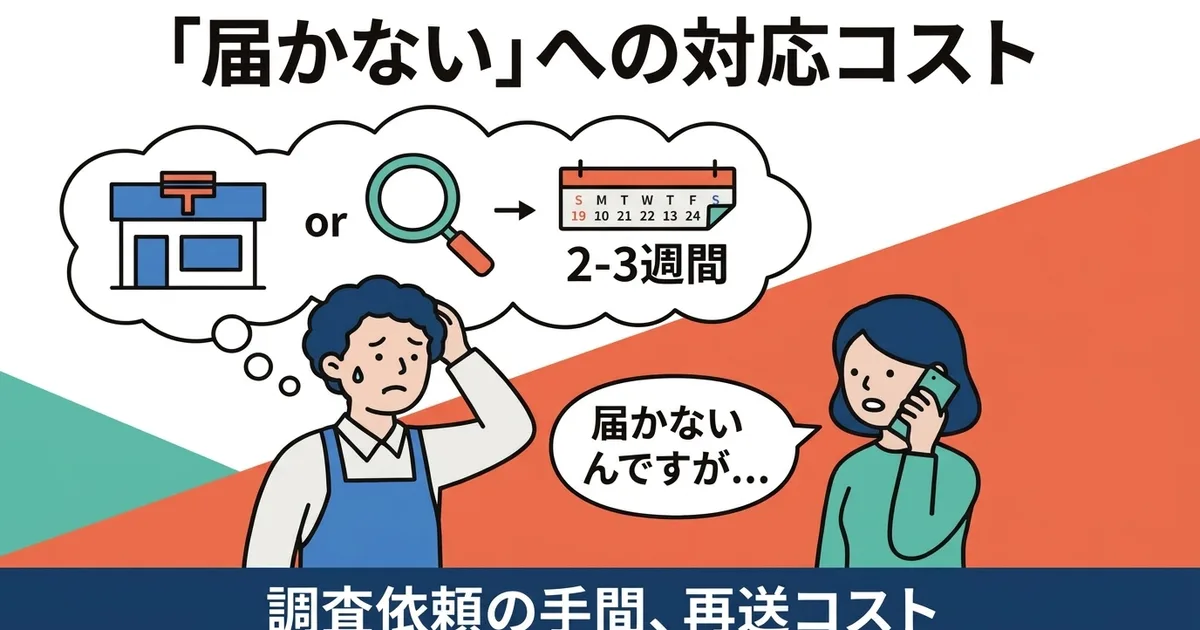
The most difficult moment with untracked shipping is when a customer says their package has not arrived. Without a tracking number, there is no quick way to verify where the package is.
You can ask the postal service to investigate, but without tracking, that process is slower and more uncertain. Meanwhile, the customer waits with no clear answer.
With tracked shipping, both you and the customer can check statuses such as acceptance, transit, and delivery much more easily.
There is no delivery record to rely on
Tracked services usually leave a digital record that the package was delivered. If a customer says they never received it, you at least have a factual status to reference.
With untracked shipping, that evidence does not exist. In some cases the item may have been delivered but overlooked, yet you have no reliable record to support your response.
Each support case takes longer
With tracking, many support cases are solved simply by sharing the tracking number or pointing the customer to the tracking page.
Without tracking, the process grows longer. You have to check when it was shipped, explain the method, possibly contact the postal service, and sometimes decide whether to reship or refund.
What Actually Happened in My Own Shop
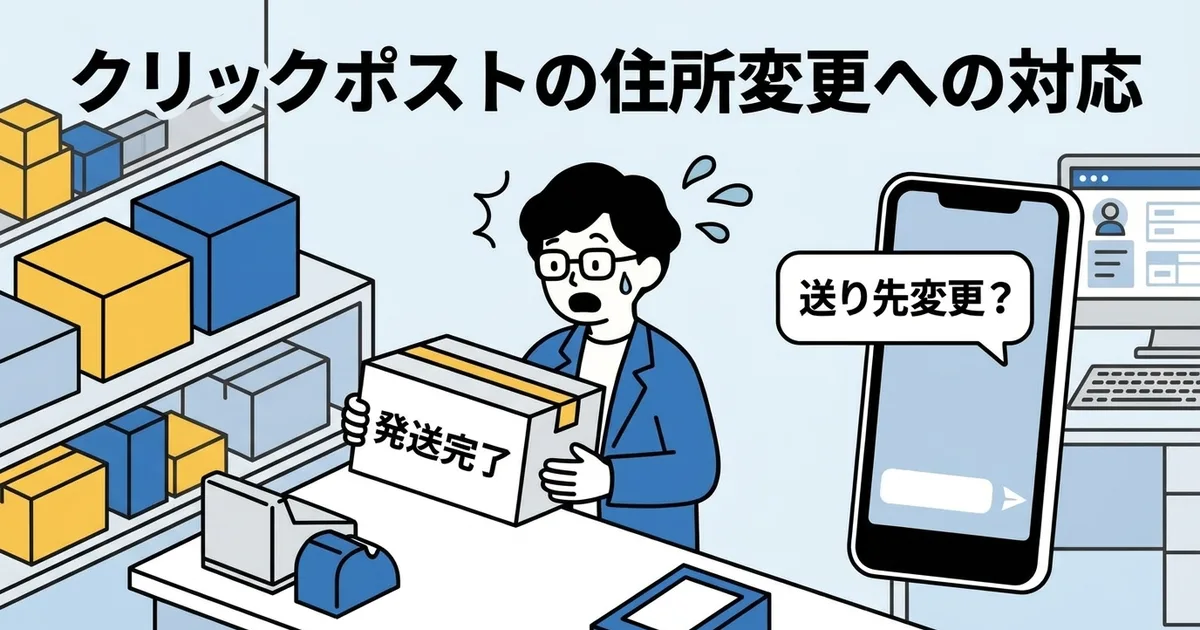
When I first started my shop, I used untracked standard mail for lightweight products such as TRRS cables.
It looked cost-efficient at first, but within a few months I received three “It hasn’t arrived” messages. In every case, I had no reliable way to confirm what had happened, and I ended up reshipping.
Once I calculated the product cost, reshipping cost, and support time involved, it became clear that tracked shipping would likely have been cheaper overall from the beginning. That experience was what pushed me toward Click Post.
Comparing the Real Cost of Tracked and Untracked Shipping
If you only compare sticker price, you can miss the hidden cost.
| Item | Tracked shipping, such as Click Post | Untracked shipping, such as standard mail |
|---|---|---|
| Base shipping fee | Flat 185 yen | From 140 yen |
| Support time | Lower | Higher |
| Reship or refund risk | Lower | Higher |
| Customer reassurance | Higher | Lower |
| Investigation in case of trouble | Easy | Slow and uncertain |
The price difference per shipment may only be a few dozen yen. But a single reshipment can wipe out that “saving” immediately.
If you add an option such as recorded handling to standard mail, the total cost often approaches or exceeds Click Post anyway.
Cases Where Untracked Shipping Can Still Make Sense
Not every shipment absolutely needs tracking.
Very low-value items
If the product price is extremely low, the financial impact of one missing shipment is small enough that untracked shipping can still be rational.
Samples or freebies
If you are sending a promotional insert or free sample, the downside of a missing item is much smaller than for a paid product.
Situations where communication is already direct
If the recipient relationship is very direct and arrival confirmation is easy, the support burden may be lower. But for ordinary ecommerce, this is less common.
Why Tracking Also Affects Trust
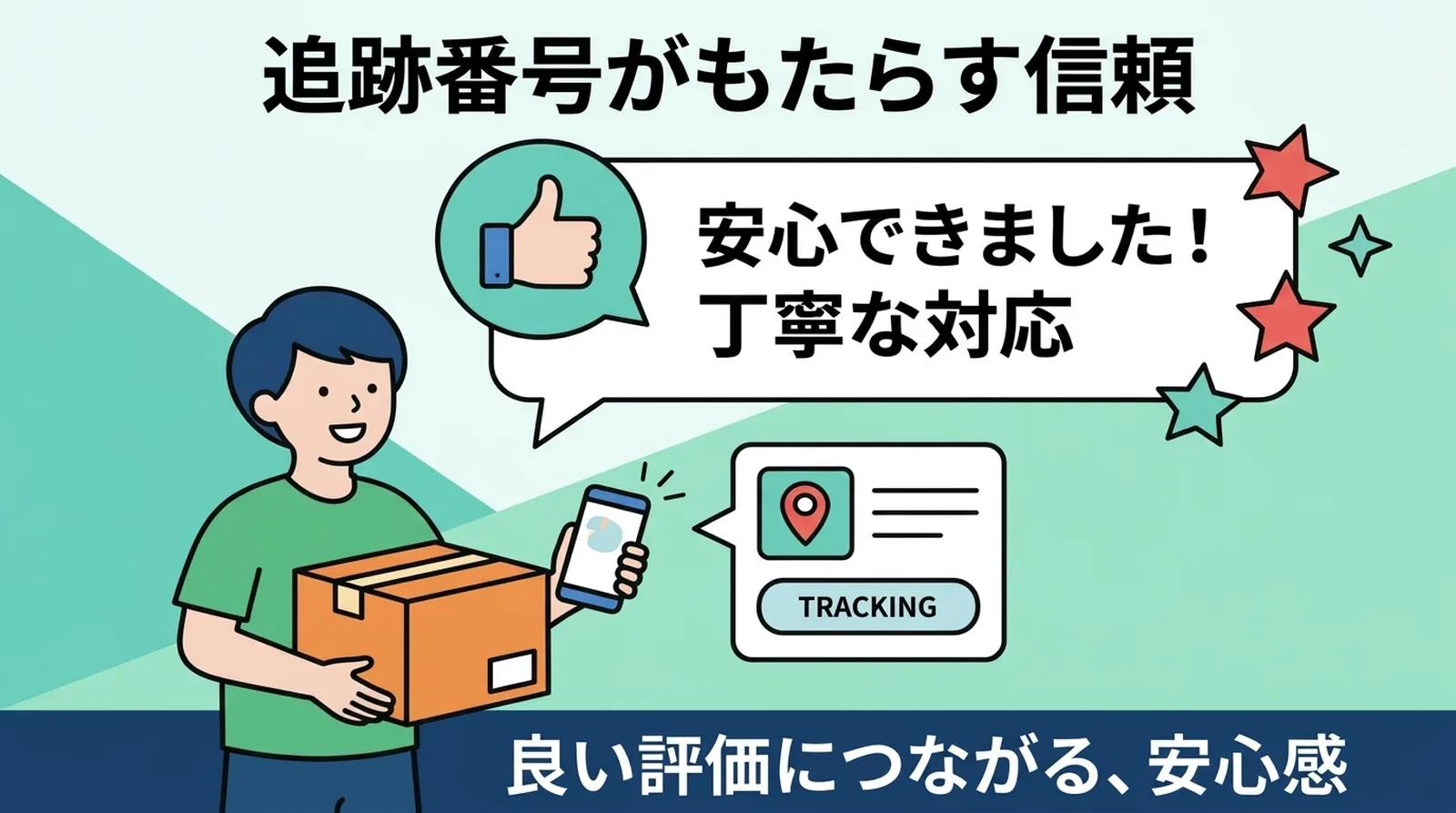
Tracking is not just operationally useful. It also changes how customers experience your shop.
Shipping notifications feel more reassuring
When a shipment notification includes a tracking number, customers can immediately see that the item was actually sent. That reduces uncertainty after purchase.
It often improves how customers describe the store
Even when the actual delivery speed is similar, tracked shipping often makes the process feel faster and more reliable because customers can see progress for themselves.
In my own case, once I switched to Click Post, I started seeing more comments about smooth shipping and reliable communication.
Common Questions
Q. Tracking-number management feels like extra work. How can I make it easier?
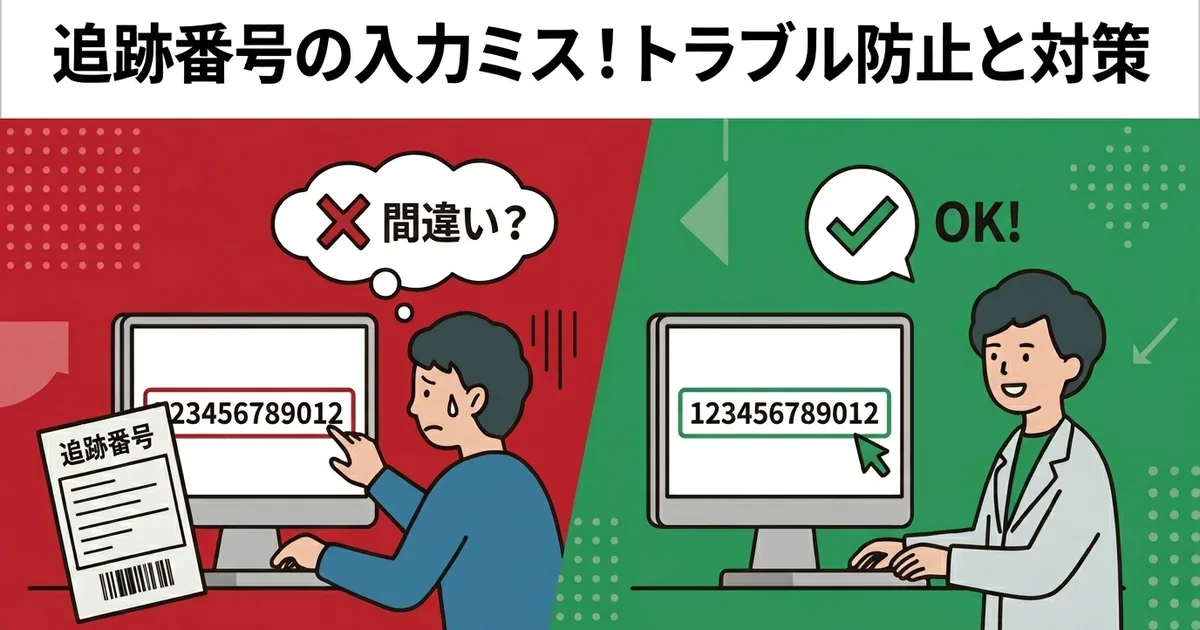
The most time-consuming part is often entering the tracking number back into each Shopify order. Tools that bulk-sync tracking numbers can reduce that burden dramatically.
Q. If I add a tracking-related option to standard mail, does that solve the problem?
It solves part of it, but often at a higher total cost than Click Post. If tracking matters, it is usually worth comparing the full cost directly.
Q. Is it okay to mix tracked and untracked shipping by product?
It is possible, but it also makes your workflow more complicated. For a small store, standardizing around one main shipping method often reduces mistakes.
Q. When does Click Post tracking information start to appear?
Tracking generally becomes visible once Japan Post has accepted the shipment into the system. If you drop it in a mailbox, that may take some time after the actual drop-off.
Conclusion
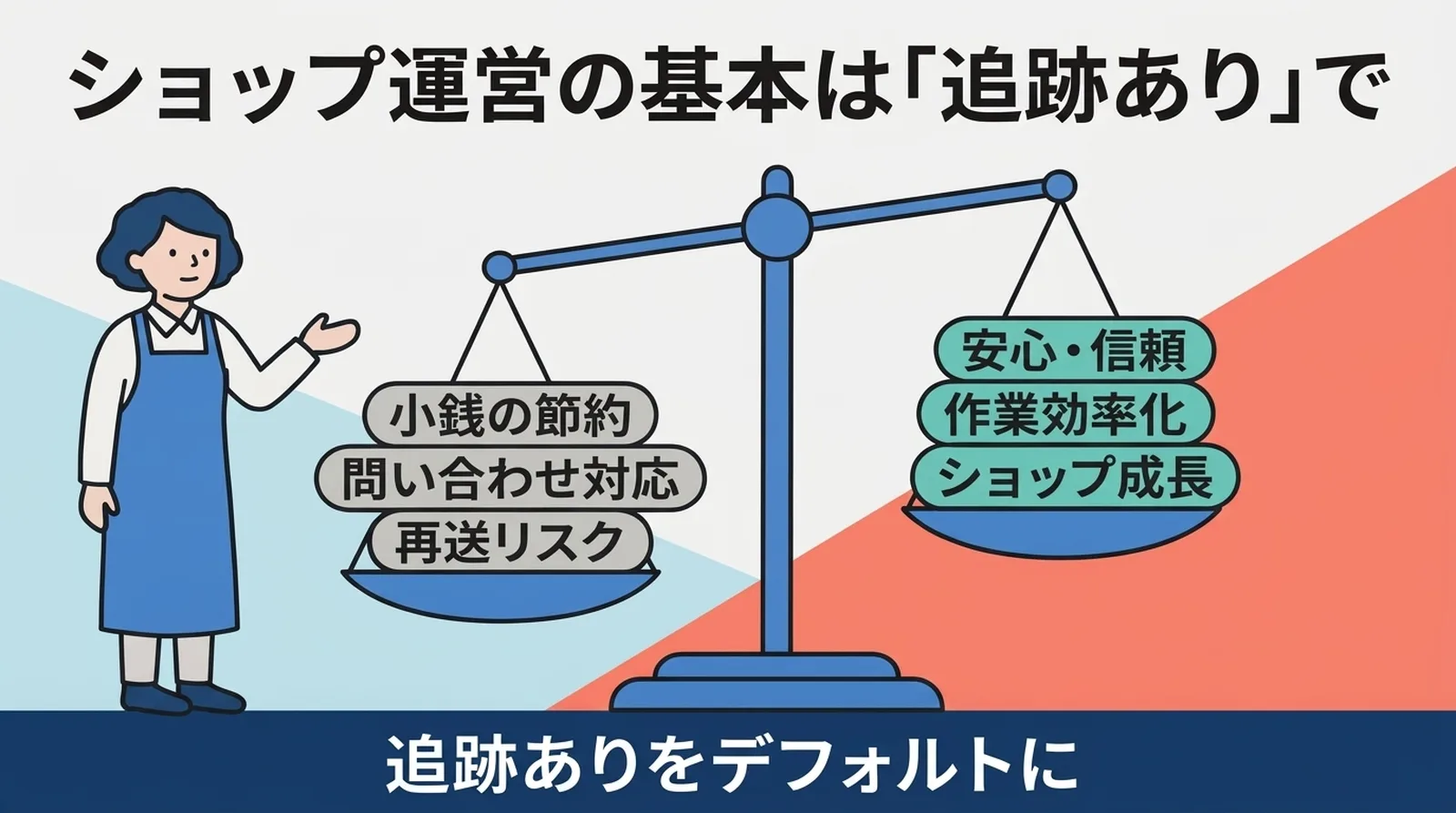
Tracked shipping is valuable not only because it shows where a package is, but because it reduces support workload, improves customer reassurance, and gives you a clearer path when something goes wrong.
Untracked shipping can still make sense for very low-value items or free promotional shipments, but for paid products, tracked shipping is generally the safer default.
If you use Click Post and want to streamline tracking sync as well, try Instant Shipping! for Click Post.