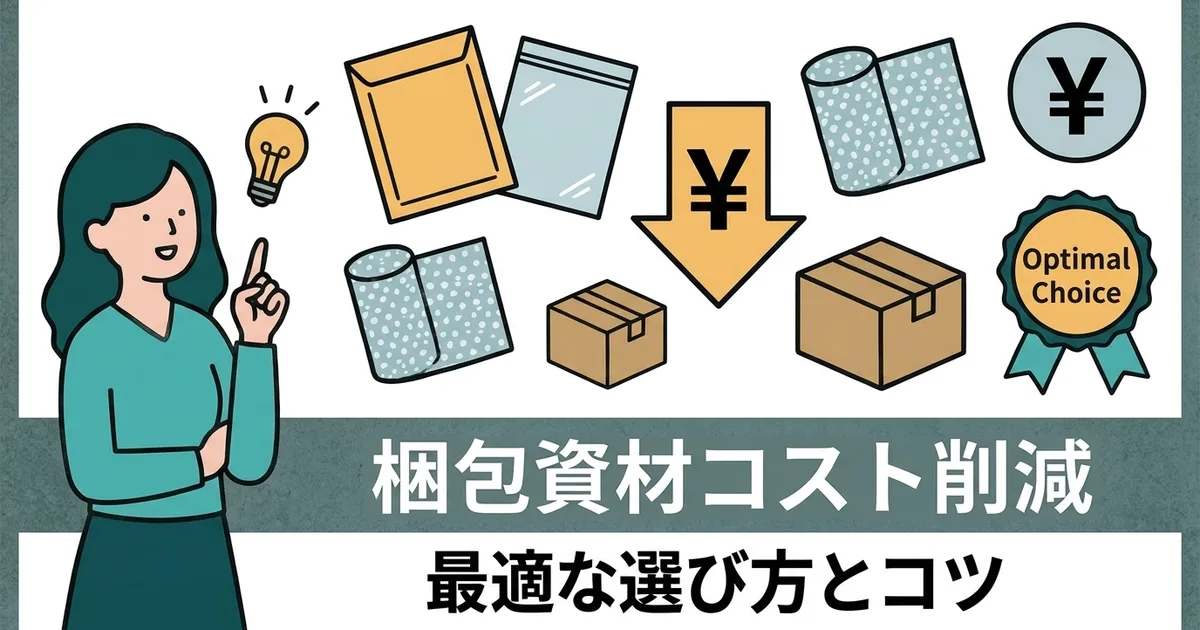
Optimizing Packaging Material Costs | How to Choose Envelopes, Cardboard Boxes, and Cushioning
You may be reviewing your shipping rates regularly, but do you know exactly how much you spend on packaging materials? A single padded mailer, a roll of bubble wrap—while the per-package cost may look trivial, over an entire year it can easily make a difference of tens of thousands of yen.
As an active shop owner who personally packs and ships handmade products, I know firsthand that what materials you choose and how many you buy at once can alter your annual costs by over 10,000 yen. In this guide, I will break down how to choose packaging materials and optimize your costs.
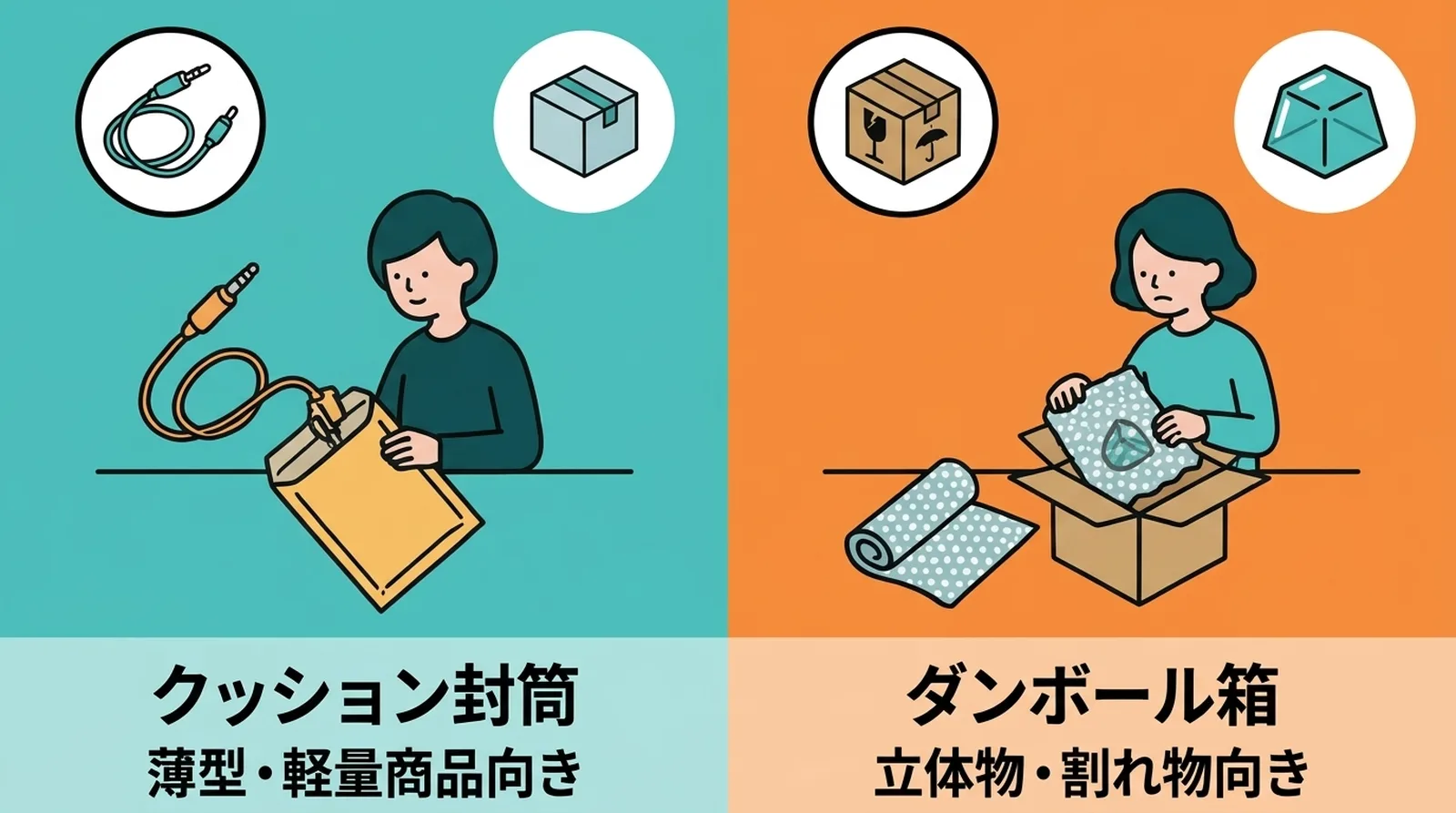
Understanding Your Packaging Material Costs
Calculating Packaging Costs per Shipment
Start by calculating the packaging cost per shipment for the materials you currently use. This figure should include everything: envelopes, cushioning, tape, and shipping address label sheets.
For instance, if a padded mailer costs 30 yen, an OPP bag costs 3 yen, and tape costs 2 yen per parcel, your packaging cost comes to about 35 yen per shipment. If you ship 100 packages a month, that amounts to 3,500 yen per month, or 42,000 yen a year.
Simply calculating this number is often enough to make many merchants realize they are spending far more than they thought.
Evaluating Costs Together with Postage
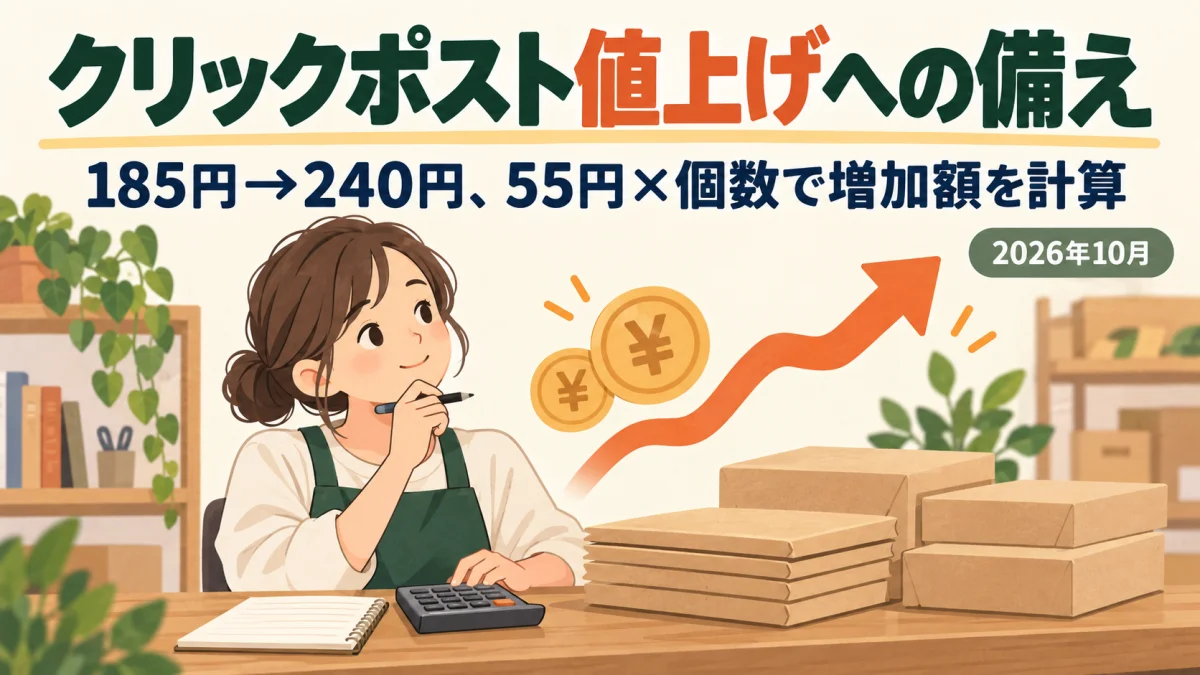
The most practical approach is to combine packaging costs with postage to determine your total shipping cost per parcel. With Click Post at 185 yen (valid through September 30, 2026; 240 yen from October 1) plus 35 yen for packaging materials, your total comes to 220 yen per shipment. Using this total as your baseline makes it much easier to see the real financial impact when you switch materials.
Features and Cost Comparison of Common Packaging Materials
Comparison Table
| Material | Estimated Unit Price | Best Suited For | Considerations |
|---|---|---|---|
| Padded mailers | 25–50 yen | Thin, lightweight items that can withstand minor impacts | Limited variety of sizes |
| Cardboard boxes (A5–A4) | 30–80 yen | Three-dimensional items, fragile goods | Bulky; requires storage space |
| OPP bags | 2–5 yen | Inner bag to prevent water damage | Minimal protection on its own |
| Bubble wrap (air cap) | 5–15 yen / parcel | Fragile goods, precision equipment | Requires time and effort to cut |
| Tissue paper / thin wrapping paper | 1–3 yen | Inner wrapping to prevent scratches | Minimal protection |
| Rigid cardboard mailers (paperboard envelopes) | 15–30 yen | Thin items that must not bend | No cushioning |
Unit prices vary depending on purchase quantity and dimensions. Please use these figures as rough guidelines.
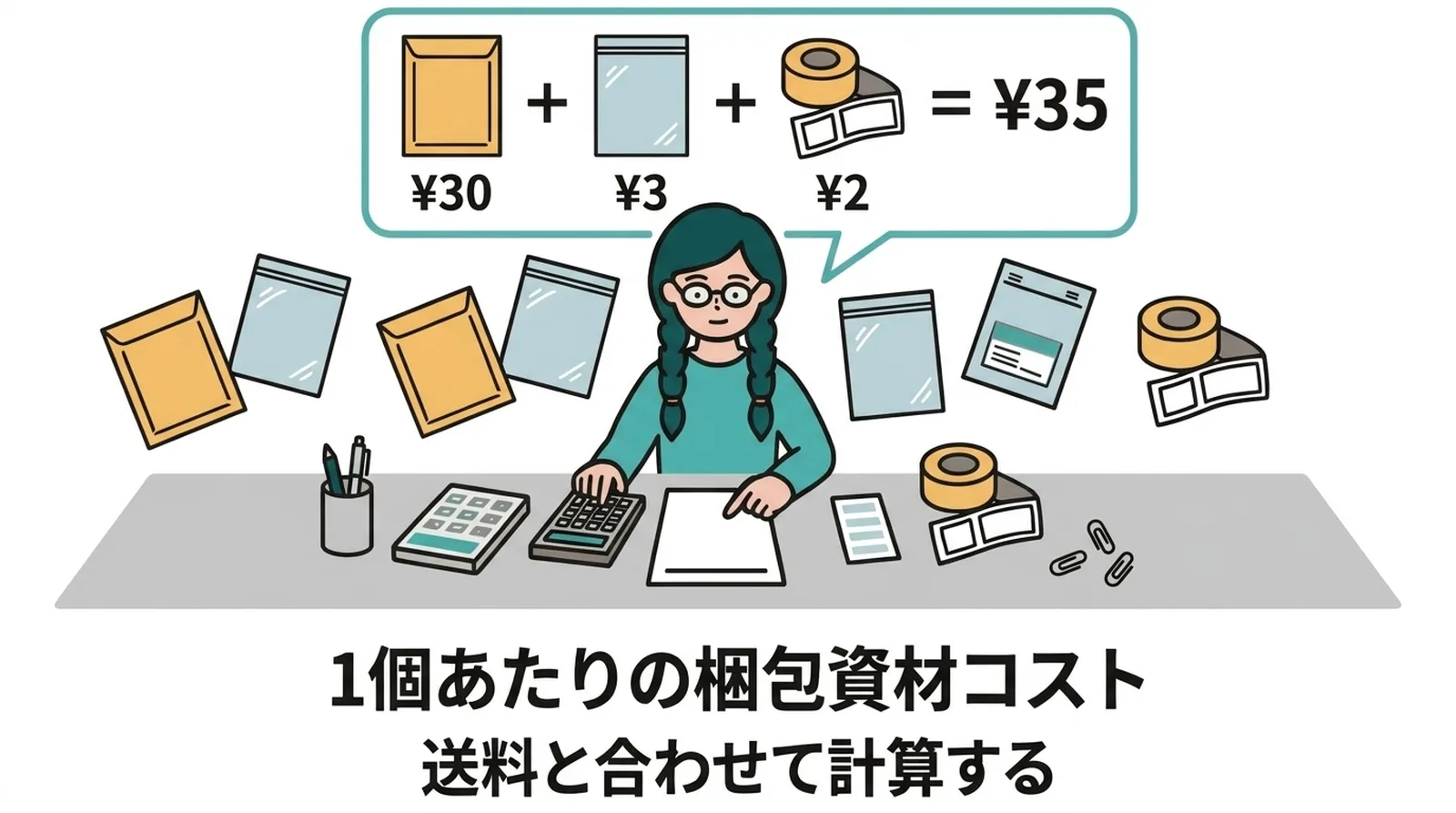
Choosing the Right Material for Each Product
Padded Mailers
Padded mailers are an excellent match for Click Post. Because the envelope itself is lined with cushioning, you save the time and effort of wrapping items in bubble wrap separately. Their biggest advantage is convenience: just seal them with tape, and they are ready to ship.
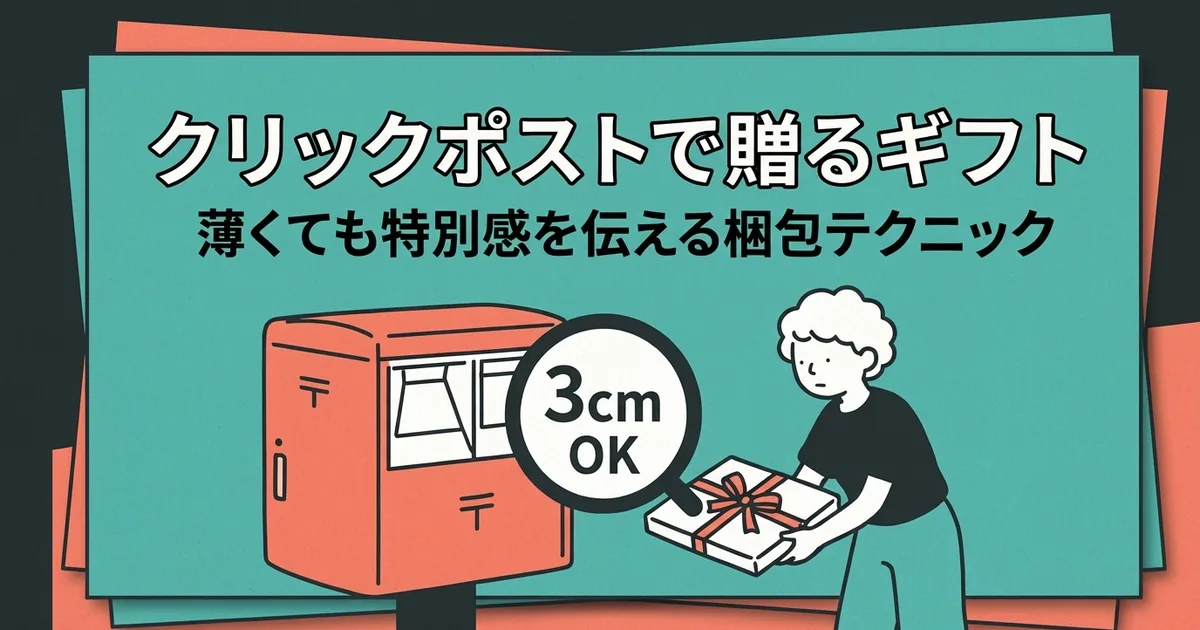
However, packing thicker items inside can easily cause the package to exceed Click Post's 3 cm thickness limit (the requirement through September 30; from October 1, the requirement changes to total three dimensions within 60 cm). Since the padded mailer itself is around 5 mm thick, make sure to check beforehand that your product fits comfortably within 2.5 cm.
Cardboard Boxes
Cardboard boxes offer the best peace of mind for three-dimensional or impact-sensitive items. However, with Click Post, strict limits apply—thickness within 3 cm and longest side within 34 cm (requirements through September 30; from October 1, the requirements are total dimensions within 60 cm, longest side within 34 cm, weight up to 2 kg, and fittable into a post box)—which restricts your choice of box dimensions. Thin cardboard boxes sized A5 by 3 cm thick are widely available across various e-commerce platforms.
Keep in mind that cardboard boxes take up considerable storage space. If you ship from home, be sure to factor your available storage capacity into your purchasing decisions.
OPP Bags
The standard way to use OPP (oriented polypropylene) bags is as an inner pouch rather than an outer package. Placing your product in an OPP bag before slipping it into an envelope or box protects it from water damage. At an affordable 2 to 5 yen per bag, using them for every order will not put a strain on your budget.
In my case, I have made it a strict rule to place every item in an OPP bag first. It provides peace of mind even when dropping parcels into mailboxes on rainy days, and standardizing the packing routine removes any guesswork.
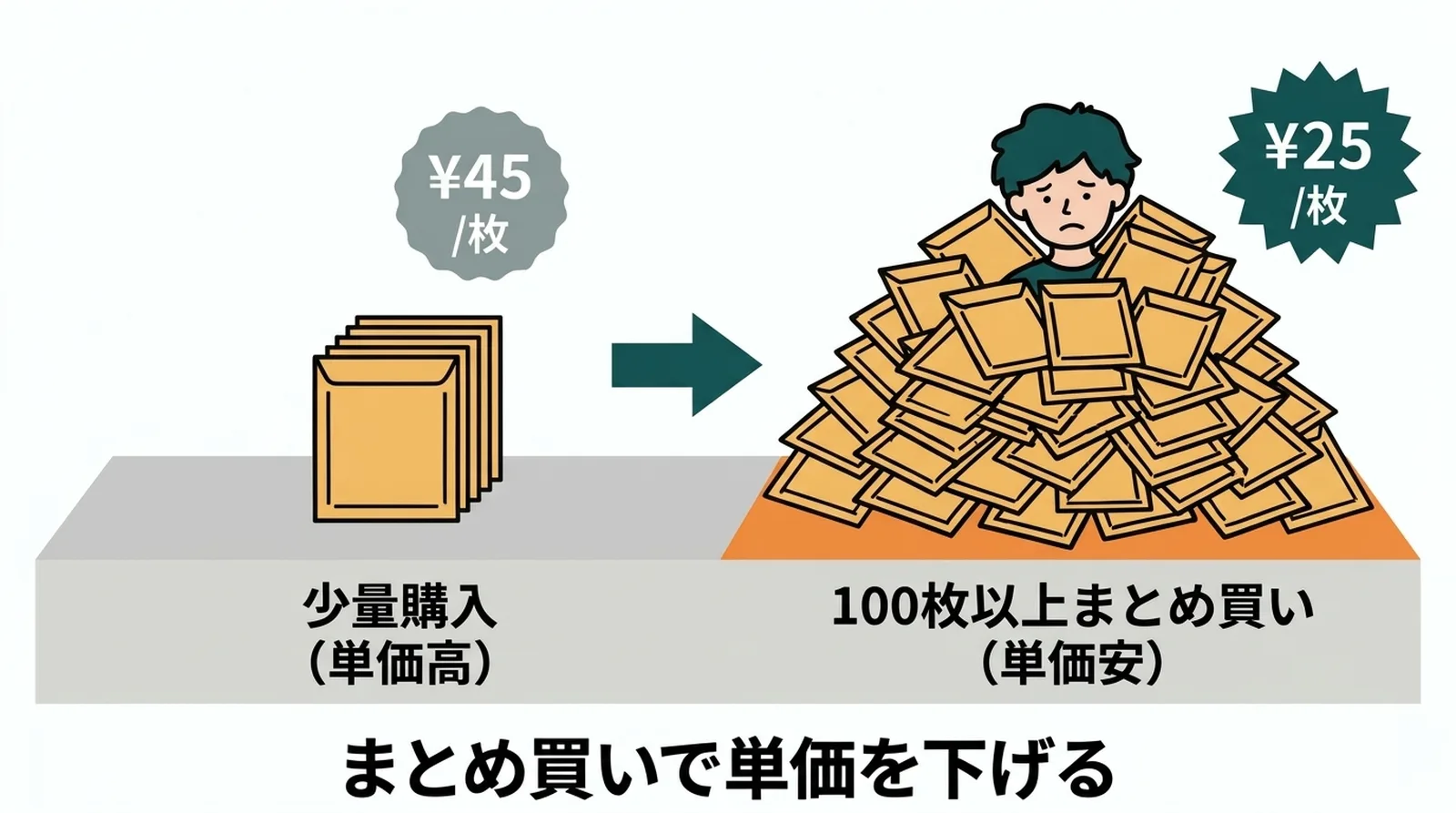
Lowering Unit Costs with Bulk Purchasing
The Relationship Between Order Quantity and Unit Price
Buying packaging materials in bulk dramatically reduces their unit price.
| Padded Mailers (A4-equivalent) | Estimated Unit Price |
|---|---|
| 10 pieces (small pack) | 40–50 yen each |
| 50 pieces | 30–35 yen each |
| 100 pieces or more | 20–28 yen each |
Purchasing 100 pieces at once saves about 15 to 20 yen per mailer compared to buying small packs. For a shop shipping 50 orders a month, that translates to an annual savings of 9,000 to 12,000 yen.
Tips for Bulk Purchasing
- Do not buy in bulk right away; test with a small pack first to verify size and quality.
- Once you settle on your go-to size, purchase in units of 100.
- Secure storage space before ordering (cardboard boxes take up an especially large amount of room).
- Buy everything from the same supplier in one order to keep shipping fees to a minimum.
However, bulk buying comes with a caveat: if you order the wrong size in large quantities, you will be stuck with dead inventory. The safest route is to buy a small pack of 10 to 20 pieces first, test how your actual products fit, and only commit to a bulk order once you are completely certain.
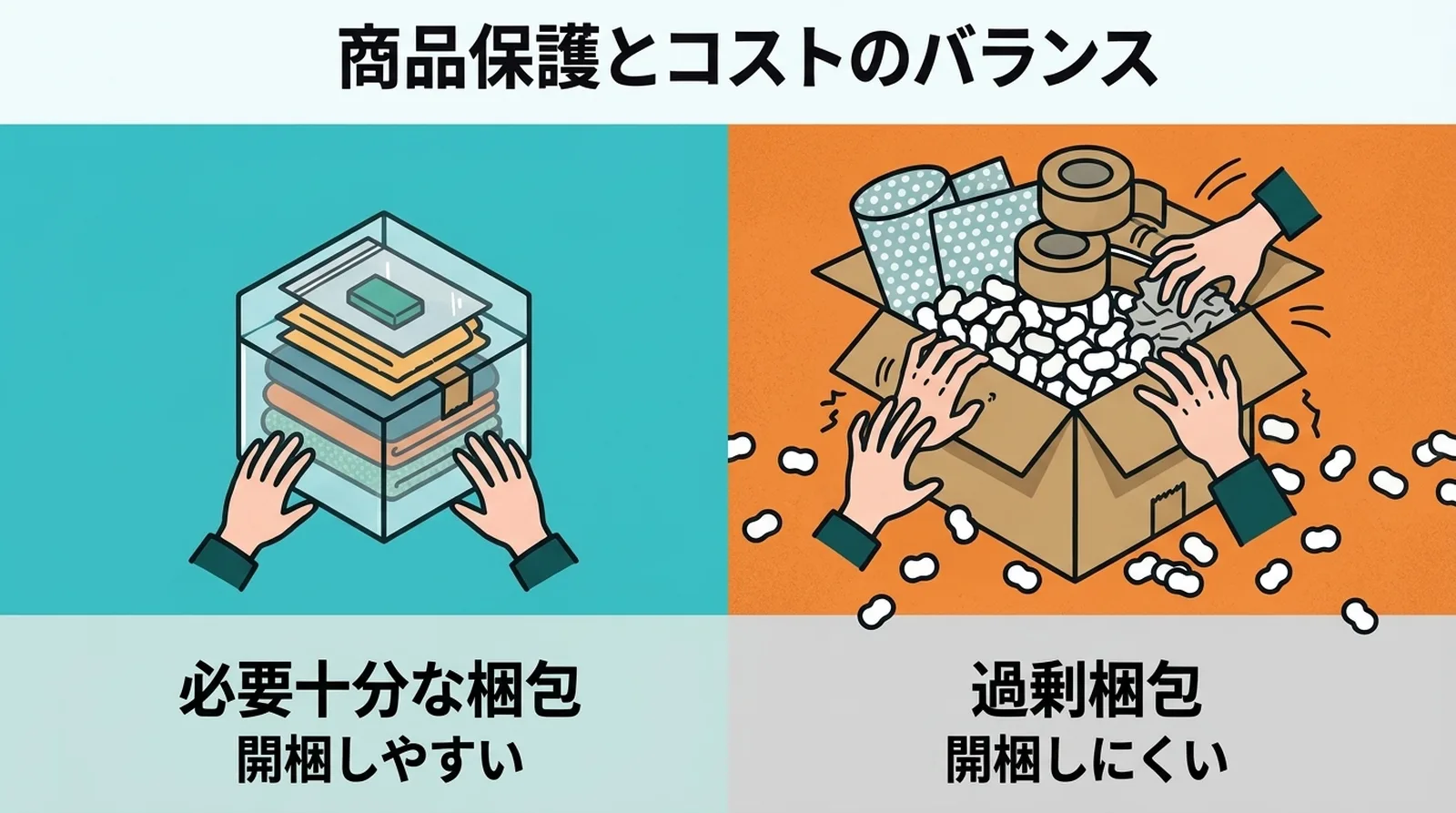
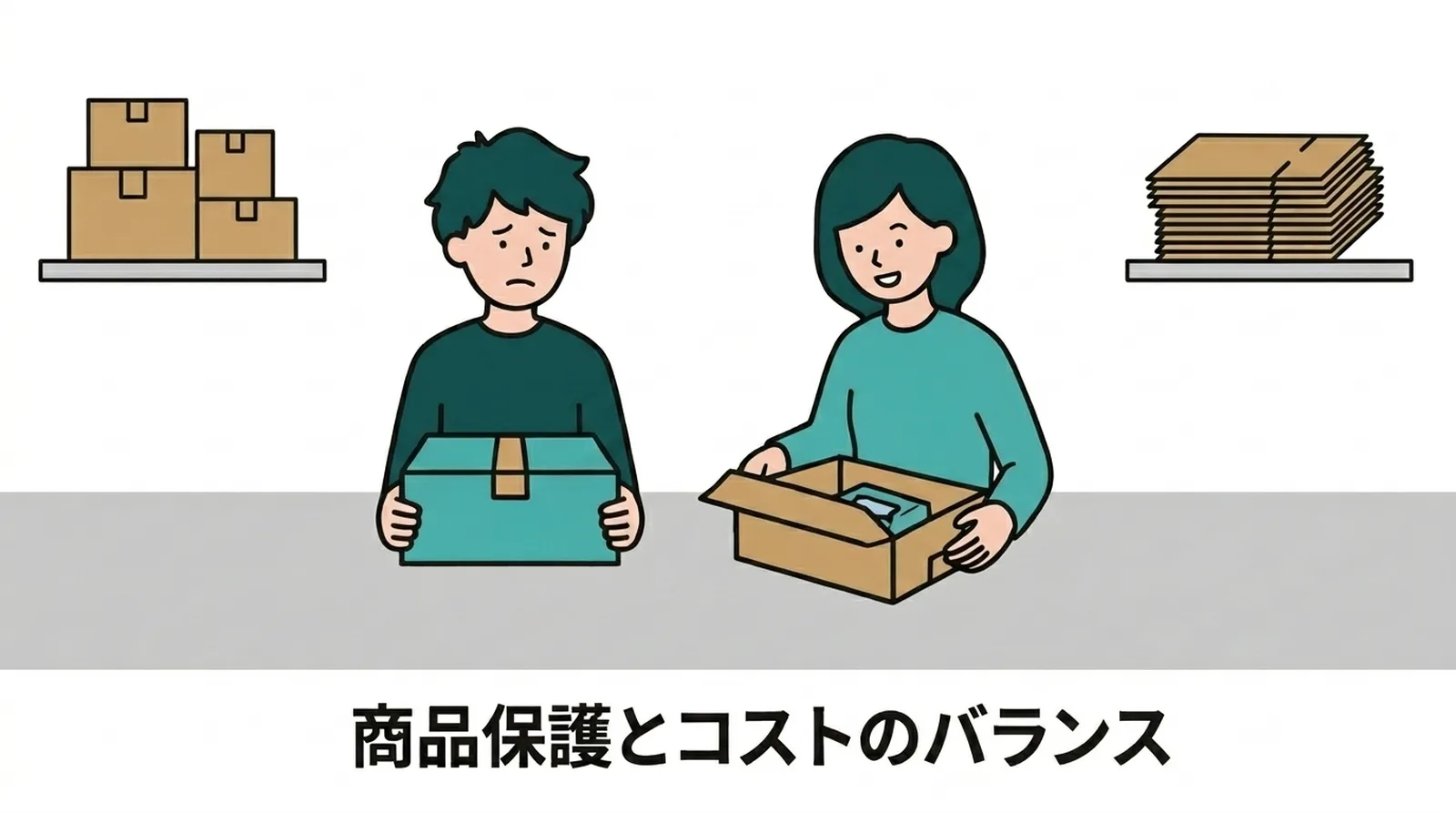
Balancing Product Protection and Cost
Avoiding Over-Packaging
It is natural to want to package items generously so customers receive them with peace of mind. However, excessive packaging not only inflates material costs, but also creates unnecessary hassle for customers when unboxing their orders.
The key is discovering the "just right" packaging for each product. Your decision should hinge on two criteria: whether the protection prevents damage during transit, and whether the customer has a pleasant, friction-free unboxing experience.
My Packaging Setup
For my own handmade TRRS cables, my packaging workflow looks like this:
- Place the cable inside an OPP bag (to prevent water damage)
- Insert it into a padded mailer and seal it
- Ship directly
Material costs per parcel come to roughly 28 yen (3 yen for the OPP bag + 25 yen for the padded mailer). Because cables are flexible items, excessive cushioning is unnecessary.
On the other hand, resin keycaps can crack or chip, so I wrap them individually in bubble wrap before placing them into a padded mailer. This setup costs about 40 yen per package. By tailoring the packaging method to each product's fragility, I keep costs strictly within what is necessary.
Where to Source Packaging Materials
Major Suppliers
- E-commerce platforms (Amazon, Rakuten Ichiba, LOHACO, etc.): Wide selection, making price and feature comparisons easy
- Specialized packaging suppliers (Danball One, etc.): Lowest unit prices for bulk orders
- 100-yen shops: Ideal for small test batches, though unit costs are relatively high
- Home improvement centers: Can offer competitive prices on rolls of bubble wrap and packing tape
Testing quality with small quantities first before ordering in bulk from specialized suppliers is the best way to prevent costly mistakes.
Frequently Asked Questions
Q. Should I use a padded mailer or a cardboard box?
Base your decision on the item's shape and fragility. Thin, lightweight items (such as cables or jewelry parts) are well served by padded mailers. Three-dimensional, fragile items (like ceramics or glassware) are much safer in cardboard boxes. If in doubt, choosing a cardboard box is the safer bet to avoid damage.
Q. Are packaging material expenses tax-deductible?
Yes. Packaging materials purchased for business purposes can be deducted as business expenses under categories such as "packing and freight costs" or "supplies expense." Keep your receipts and invoices organized. Even when buying in bulk, the general accounting practice is to record materials as expenses as they are used. Organizing these records at the time of purchase will save you stress when tax return season arrives.
Q. Should I switch to eco-friendly materials?
In categories where customers are particularly eco-conscious, choosing recycled paper mailers or paper-based cushioning can give your brand image a boost. However, eco-friendly options tend to be more expensive, so evaluate this based on your product price point and target audience. There is no need to force an all-eco switch if the economics do not make sense.
Conclusion
As a rule of thumb, manage packaging costs alongside postage as part of your overall "shipping cost per parcel." By selecting materials matched to your product characteristics and buying in bulk to lower unit costs, you can optimize your expenses without compromising quality.
Start by calculating your current packaging cost per shipment today. Once you see the actual numbers in front of you, identifying where and how to cut costs becomes much clearer.
Once you have reviewed your shipping rates and packaging materials, you may also want to look into streamlining your shipping workflow itself. If you want to eliminate manual work when exporting CSV files from Shopify to Click Post or updating tracking numbers, take a look at Instant Shipping! for Click Post.
Related Articles
- Streamlining Shopify & Click Post Shipping — A step-by-step workflow from CSV export to tracking number fulfillment
- Handling Click Post Parcels Over the 3 cm Thickness Limit — Clever packaging often keeps parcels under the 3 cm limit, but forcing items into tight packages risks product damage...
- Packaging Tips to Prevent Damage and Rain Soaking for Click Post — Mitigate Click Post mailbox delivery risks by preventing water damage with OPP bags and choosing protection suited to your products...